Where it began
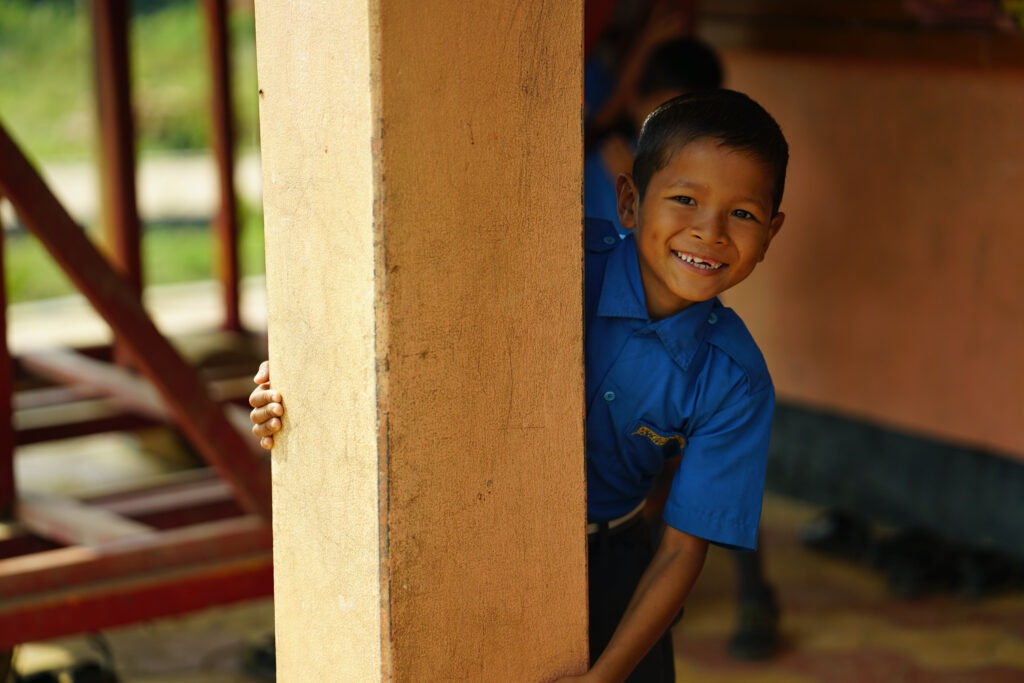
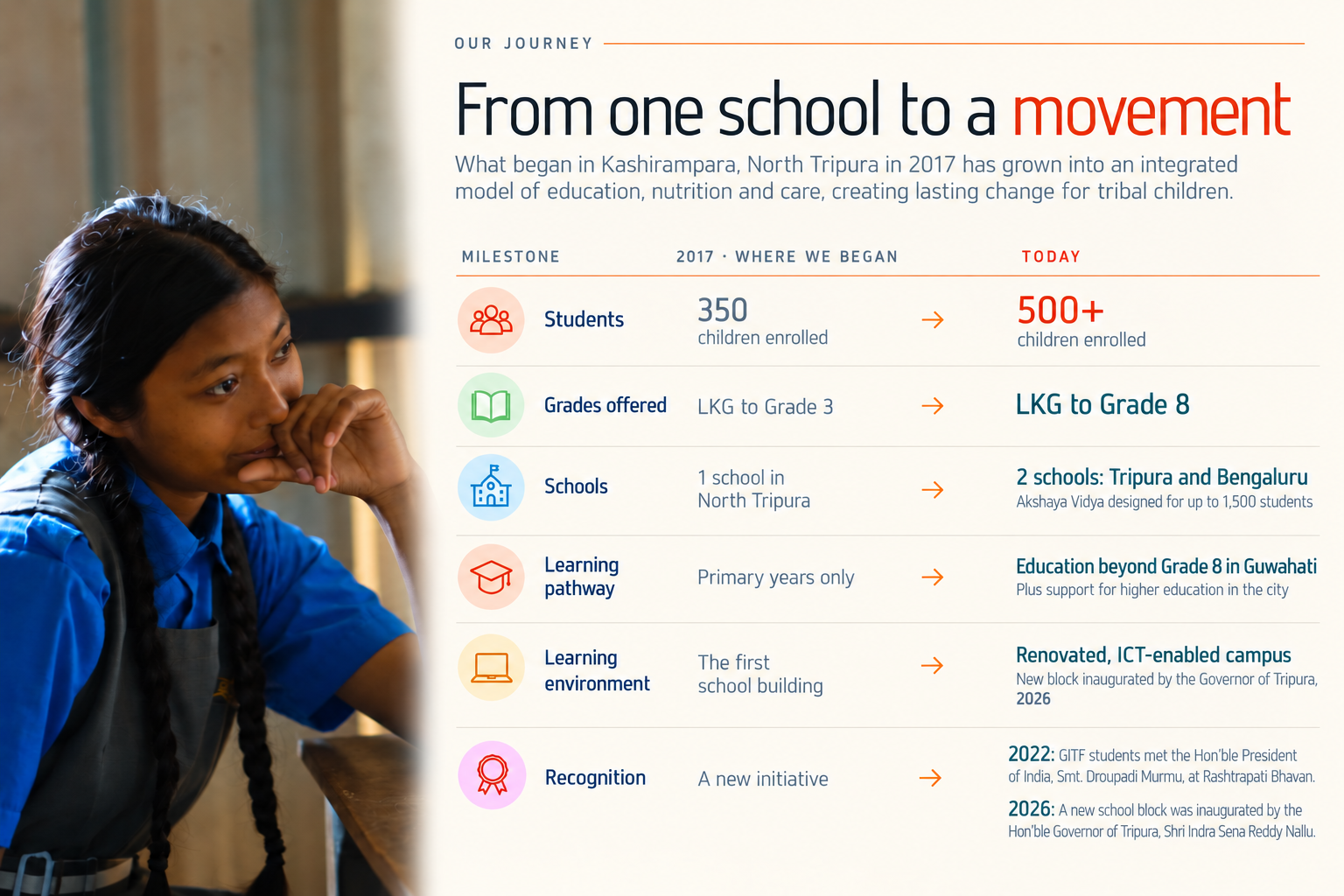
On 29 March 2017, the first Great India Talent School opened in Kashirampara, North Tripura, 190 km from Agartala. It offered classes from LKG to Grade 3 to 350 children
Most of them were first-generation learners from the Reang tribal community. Their parents had not been to school. Many families lived in camps, with few expectations that education was within reach.
Nine years later, that school educates children up to Grade 8. Its students have met the President of India. And its model is now being taken to a second city.
Measuring Social Impact
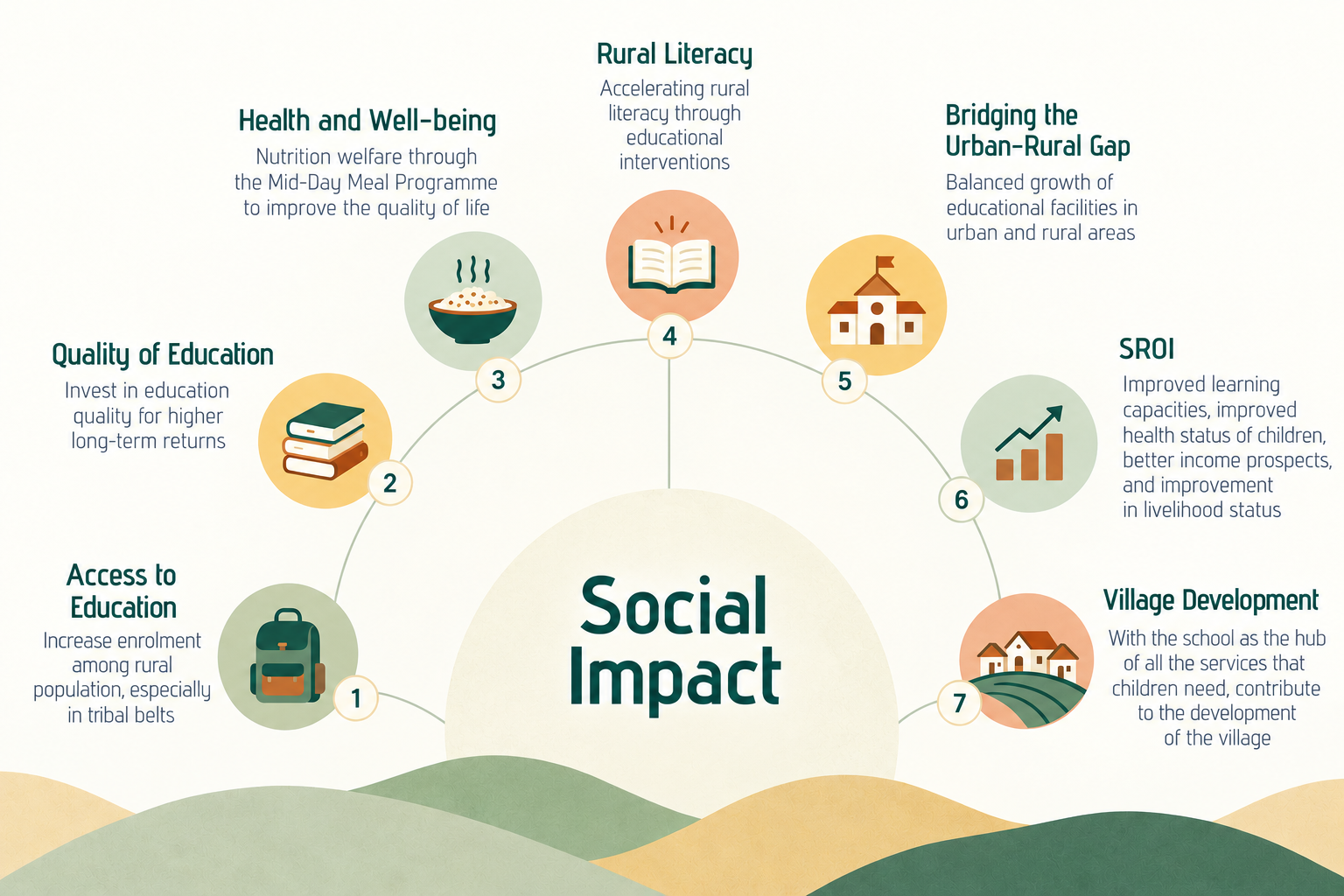
At Great India Talent Foundation (GITF), impact goes beyond school enrolment. It is about creating lasting change through quality education, nutritious meals, healthcare, life skills, and community empowerment. Our integrated approach aims to help children realise their potential, strengthen underserved communities, and build pathways to a more equitable future.
1. Access to Education
GITF helps children from rural and tribal communities access free, quality education, removing barriers that often keep them out of school and limiting their future opportunities.
2. Quality of Education
By providing structured learning, trained educators, learning materials and ongoing academic support, GITF helps children build strong foundations for lifelong learning and growth.
3. Health and Well-being
Nutritious meals, hygiene essentials, healthcare and emotional support help children stay healthy, improve their well-being and participate more confidently in learning.
4. Rural Literacy
GITF strengthens rural literacy through consistent educational interventions that equip children with essential reading, writing, communication and problem-solving skills.
5. Bridging the Urban–Rural Gap
By bringing educational opportunities and essential support to underserved communities, GITF works towards reducing the disparity in access to education between rural and urban children.
6. Social Return on Investment (SROI)
Investing in education creates benefits that extend beyond the classroom, contributing to improved learning outcomes, better health, stronger livelihood prospects and greater opportunities for future generations.
7. Village Development
With education at its core, GITF contributes to community development by creating local employment opportunities, supporting families and helping children become confident contributors to their communities.
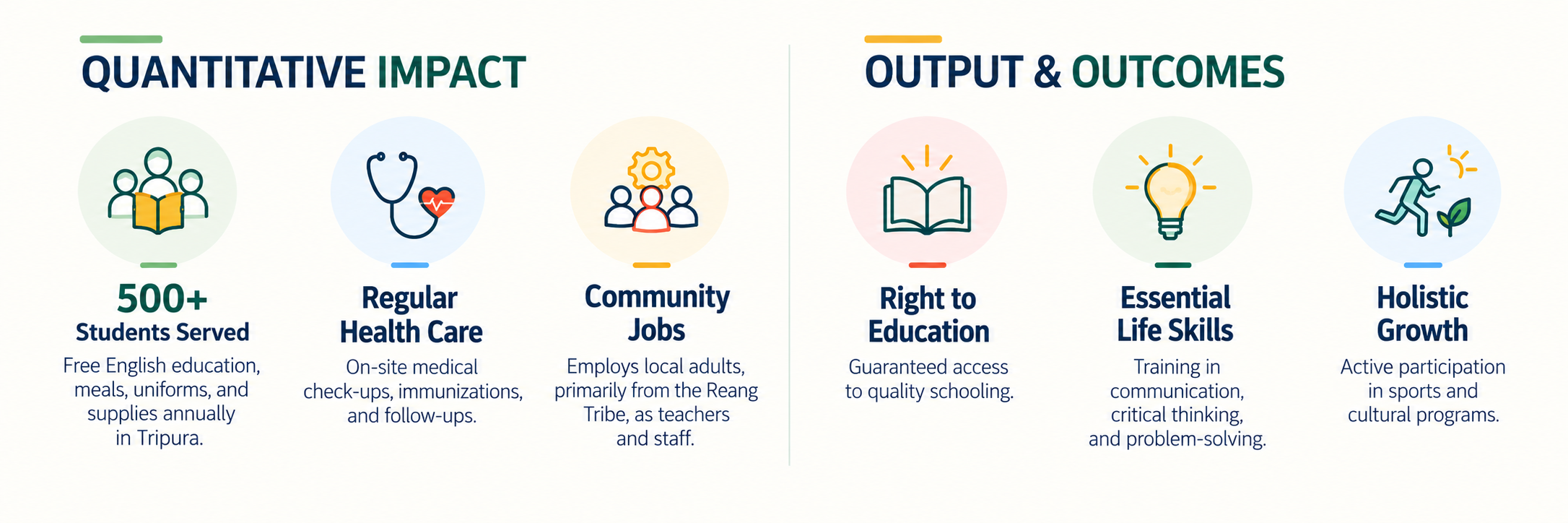
Impact at a glance
500+
children currently educated at GITS, from LKG to Grade 8 and we support higher education in partner schools in Guwahati
2 Schools
Schools across two states: GITS, Tripura and Akshaya Vidya, Bengaluru. 1,500+ proposed student capacity at Akshaya Vidya
5 UN SDGs
Our work contributes to five of the UN Sustainable Development Goals: Quality education, health and well-being, etc
Every school day aligns with 5 UN sustainable development goals
Quality Education
Our response
- Free, quality schooling (CBSE) at Great India Talent School, North Tripura, and Akshaya Vidya, Bengaluru
- Value education with the National Institute of Value Education (NIVE)
- Uniforms and learning materials provided at no cost
Health & Well-Being
Our response
- Daily nutritious meals that support healthy growth
- Regular health check-ups, immunizations and awareness campaigns.
- Mental health and emotional well-being are also addressed through value education and access to counsellors
Reduce Inequality
Our response
In North Tripura: GITS brings quality education to children of the Reang tribal community in Kashirampara, one of India’s most underserved regions.
In Bengaluru: Akshaya Vidya provides the same standard of education to children from low-income urban families.
-
- One standard of quality:
- Removing every cost barrier
Gender equality
Our response
GITF works to ensure that girls in the communities we serve have the same opportunity to learn and complete their education as boys.
- Equal access. Girls and boys are enrolled and taught on equal terms.
- Removing financial barriers. Free schooling, uniforms, materials and meals mean families do not have to choose which child to educate.
- A safe learning environment. Our schools provide a secure setting where girls can learn with confidence.
Zero Hunger
Our response
At GITF, nutrition is an integral part of education, not a separate service.
- Daily nutritious meals. Every child at both GITF schools receives a meal on every school day, delivered in partnership with Akshaya Patra.
- Meals that support attendance. A reliable daily meal gives families an additional reason to send children to school consistently.
- Nutrition as part of a whole-child approach. Meals are delivered alongside free schooling, uniforms and learning materials, removing the barriers that most often keep children from school.
Recognition
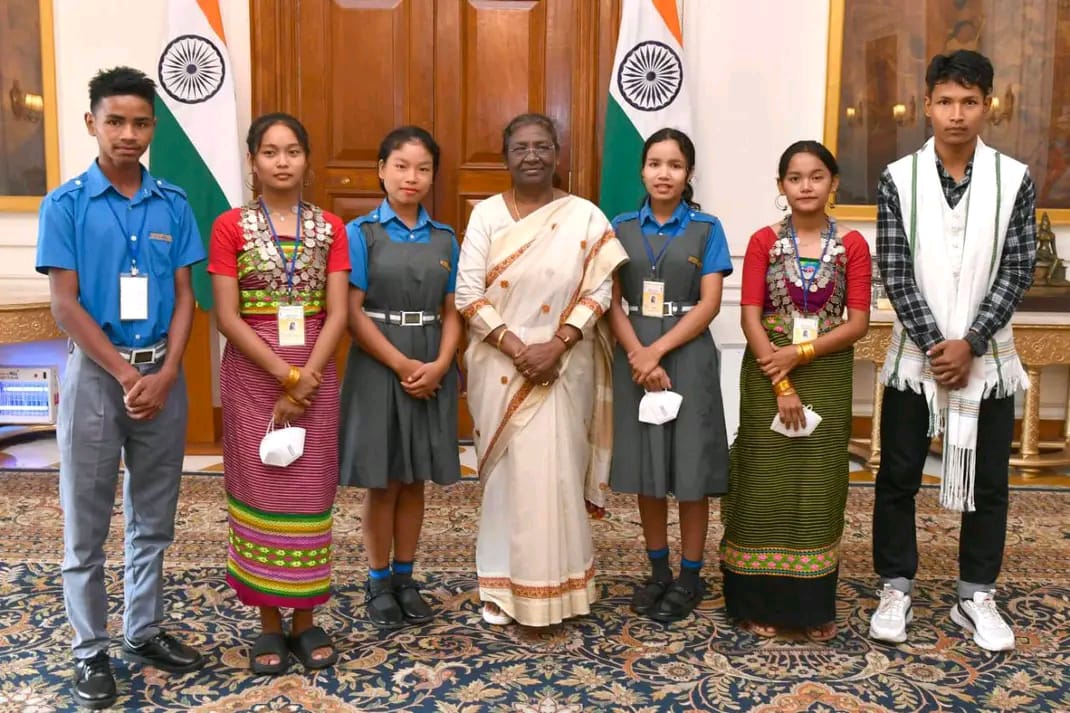
Recognised at Rashtrapati Bhavan: GITF students met the Hon’ble President of India, Smt. Droupadi Murmu, in 2022.
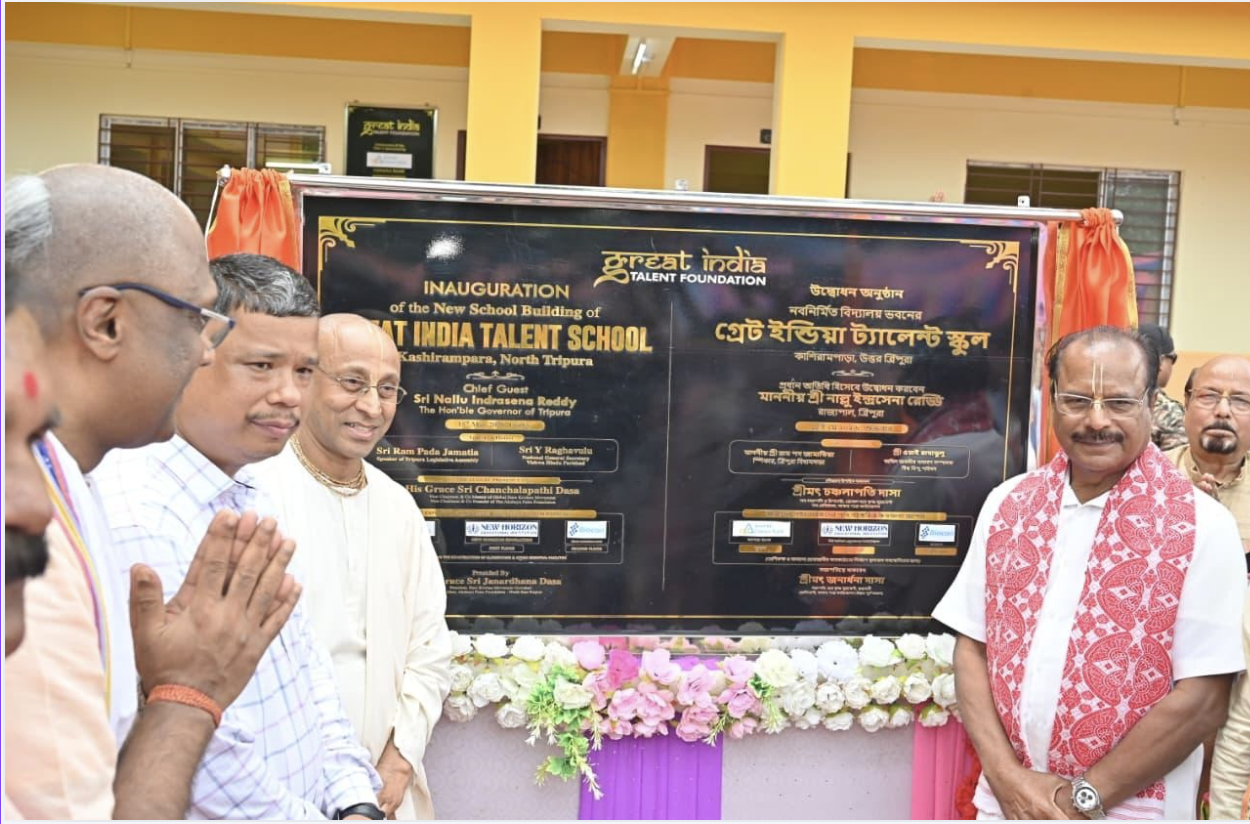
Expanding our reach: A new GITF block was inaugurated by the Hon’ble Governor of Tripura, Shri Indra Sena Reddy Nallu, in 2026.
Looking ahead
What began in Kashirampara is now growing.
Akshaya Vidya, Bengaluru will bring the same integrated model to children from low-income urban families. It is designed for up to 1,500 students from Nursery to Grade 10, on a 1.25-acre campus in Vidyaranyapura.
GITF is also expanding into other states. Our long-term goal is a learning community of more than 50,000 students and staff across tribal, rural and underserved India.